Museum of the Etruscan Academy
The
Museum of the Etruscan Academy is housed at the noble floor
of the historic Palazzo Casali, erected in the 13th century,
later turned to official residence of the family that ruled
the signoria of Cortona (1325-1409) and, then in 1411, adapted
to be the seat of Florentine captains and commissaries. The
museum was created by the initiative of three culturated Cortonese
brothers, Marcello, Ridolfino and Filippo Venuti, founders of
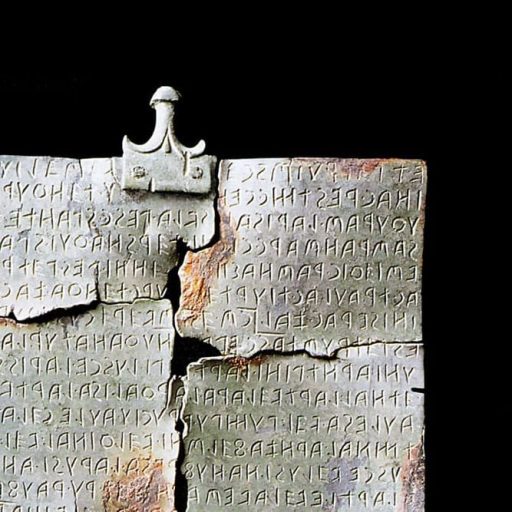
the Etruscan Academy, who gathered in this seat a rich archaeological
collection and an important library, both gifts of their uncle
Onofrio Baldelli, for the cultural promotion of the Etruscan
Academy.
In the 18th century the original unit
was enriched with other archaeological pieces donated by the
members of the Academy and owing to the donations of whole collections,
as the Egyptian art collection by Mgr. Guido Corbelli (late
19th century), the painting and furniture collection coming
from the Tommasi Baldelli House (1933) and the one gathering
the important group of paintings by Gino Severini (1883-1966)
- donated to his native city by the artist himself - a main
representative of the Futurist movement. The Museum exibits
a very rich collection of archaeological material and artistic
items dating back from the 14th to the 19th century in a hetereogenic
manner that is revealed in the arrangement of the items, as
there are not spatial divisions between the diverse genres of
the exibited material. The variety of the pieces (archaeological
finds and important Etruscan, Greek, Roman and Egyptian works
of art, besides the paintings, sculptures, mosaic works, fittings,
minor arts and coins, collections of medals and engraved gems)
is a peculiar and distinguishing character of this museum compared
to the other ones in the province of Arezzo: it reflects the
history of the collections, intimately bound to the life of
the Academy and to the lively world of the erudite and cultural
interests of the 18th-century Tuscany.


Among the most important archaeological objects is the Etruscan
Chandelier found in 1840 in the neighbourhood of Cortona, a
specimen of the finest bronze production of mid-Northern Etruria
in the second half of the 4th century, decorated according to
a very complex iconography with silenes, harpies and animals
figures and propably intended for a sacred building of great
importance. Particularly rich is the section including the Etruscan,
Italic and Roman bronzes found in the Cortonese area and the
one including Etruscan, Greek and Italic ceramic objects, among
which the Attic anphora of a tyrrhenian type with the Struggle
of Ercules against the lion Nemeo (mid.6th century B.C.) and
the grey bucchero anphora, with decorations made with cylindric
mould, coming from the Chiusi area (6th century B.C.). Noteworthy
is also the series of cinerary urns and the collection of instrumenta
- i.e. domestic use objects, of Etruscan and Roman ages, gathered
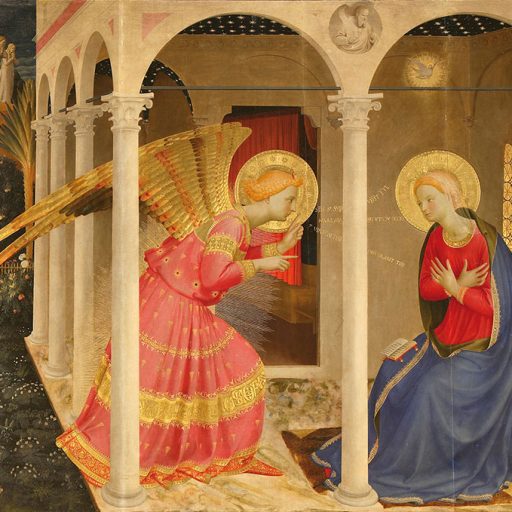
by the Venutis. Among the paintings, mostly by the Tuscan school
from the 13th to the 19th century of considerable interest are
the works by Bicci di Lorenzo, by the school of Luca Signorelli,
by Andrea Commodi, by Cristofano Allori, by Pietro da Cortona,
besides a sketch by Giovan Battista Piazzetta preparative for
the painting of the church of S.Filippo accomplished for the
Cortonese family of the Tommasis (1739-44). The collections
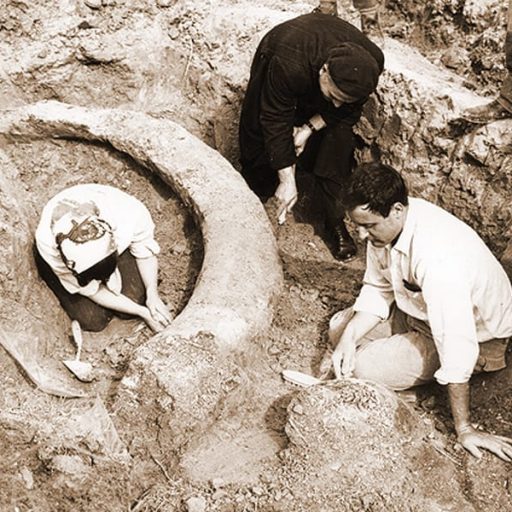
of the museum were recently enriched by an extraordinary funerary
kit found in the grave of Melone II del Sodo, containing precious
golden jewels, among which a fibula and valuable ceramics and
bronze instruments set up in a topographic section at the second
floor.


| Address |
Phone |
Opening |
Close
on: |
|
Piazza
Signorelli |
0575
637235
0575
630415 |
April-October
10-19
November-March
10-17 |
Monday |
For
more info visit our Touristic
Guide